
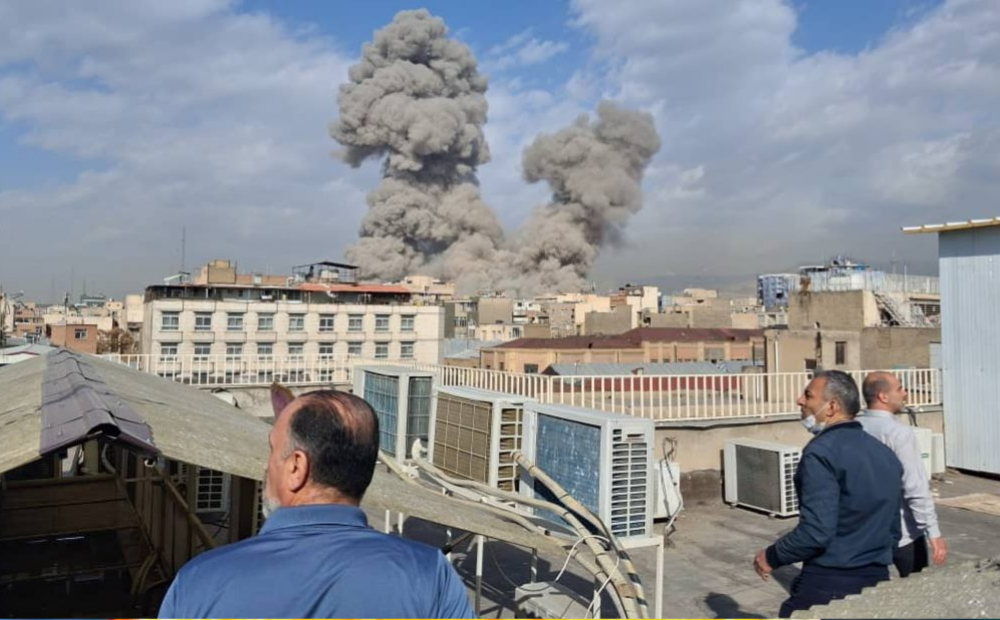
Tension around iran has shaped global headlines for decades. Many Americans see breaking alerts and wonder what is really happening. Is there a direct threat? Why do the US and Israel respond so strongly? These questions matter for families, workers, and voters across the United States.
This guide explains the conflict in plain language. You will learn the history, the risks, and the reasons behind recent military actions. We will also look at leadership, regional power, and global impact. The goal is simple: give you clear facts, calm insight, and trusted context. When you understand the full picture, the daily headlines make much more sense.
iran news: Why Americans Are Paying Attention
When major iran news breaks, US media moves fast. Cable networks show maps. Experts debate policy. Social media fills with strong opinions. But not all updates carry the same weight.
Some reports focus on nuclear talks. Others highlight military drills or missile tests. Energy markets also react quickly. Oil prices often rise when tension grows. That affects gas prices in the US. For many families, that link feels personal and immediate.
Reliable news sources matter. Government briefings, verified journalists, and global agencies provide the clearest updates. It helps to avoid rumors. Fast headlines can create fear. Calm analysis creates understanding.
Understanding the iran war and Regional Tension
The phrase iran war appears often online. Yet there is no full declared war between the US and that nation today. Instead, there are proxy conflicts, cyber activity, and regional clashes.
Tension grew after the 1979 revolution. Since then, relations with Washington have shifted between cold diplomacy and open hostility. Sanctions have played a large role. Military actions have happened in short, sharp bursts.
In the Middle East, alliances shape every move. Armed groups in nearby countries receive support from powerful states. This creates indirect conflict. The result is a long shadow of instability, not one single battlefield.
US iran Relations: A Complicated History
The term us iran relations describes a long and rocky path. Before 1979, both countries had closer ties. After the revolution, trust collapsed.
Sanctions, hostage crises, and nuclear concerns deepened the divide. Diplomatic talks have started and stopped many times. One major nuclear deal brought hope for a short period. Later, the agreement faced strong criticism and changes.
For American readers, the key point is this: the relationship mixes security fears with political strategy. Each administration in Washington shapes its own approach. Some favor pressure. Others favor negotiation. Both paths aim to protect US interests.
us attacks iran: What Has Happened?
The phrase us attacks iran usually refers to targeted military strikes. These actions are often limited. They may focus on military sites, weapons storage, or high-level commanders.
US leaders often explain these moves as defensive. They say strikes respond to threats against American troops or allies. Congress and the public then debate whether the action was necessary.
Such events rarely lead to full-scale war. Instead, they raise tension for weeks or months. Both sides send warnings. Global leaders call for restraint. Markets react. Then diplomacy or silence may follow.
us and israel strike iran: Strategic Coordination
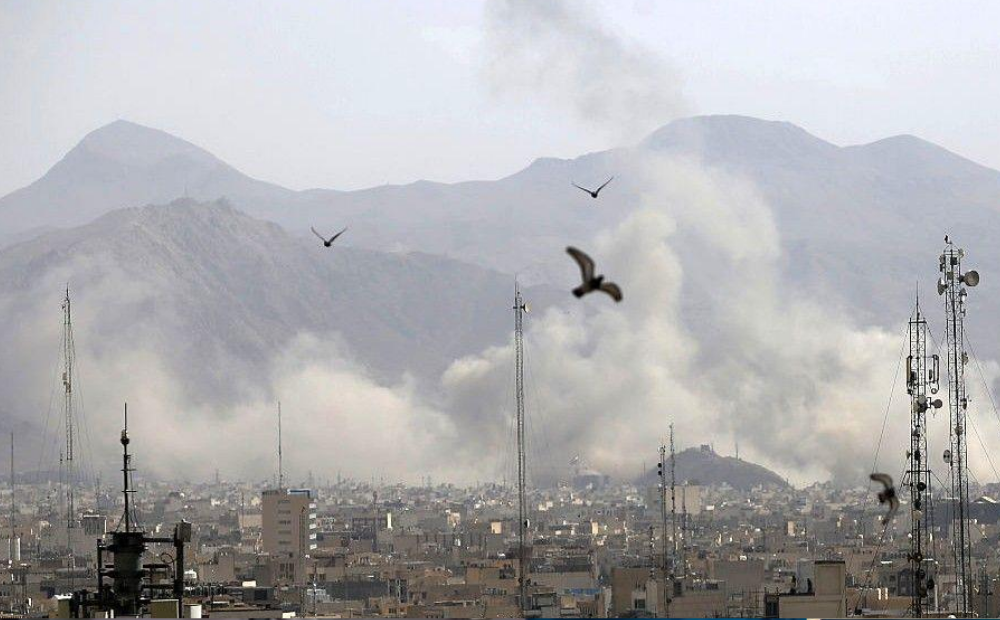
When headlines say us and israel strike iran, people assume deep coordination. The US and Israel share strong security ties. They exchange intelligence and defense technology.
Israel views regional threats as urgent and close. The US balances regional goals with global strategy. Sometimes their interests align closely. At other times, tactics differ.
Joint or coordinated strikes send a powerful message. They show unity and shared red lines. However, they also increase the risk of retaliation. That is why such actions are usually calculated and limited.
iran attack Concerns and Global Security
An iran attack can refer to missile launches, drone activity, or actions through allied groups. These moves often target regional rivals rather than the US mainland.
Still, Americans care because US troops are stationed in nearby countries. Any attack in the region can affect them. It can also affect global shipping lanes. When oil routes face risk, prices rise.
Security experts often stress deterrence. The idea is simple. Show strength to prevent larger conflict. At the same time, avoid steps that spark uncontrollable escalation. This balance is delicate and constant.
war with iran: Could It Happen?
Many ask about the risk of a full war with iran. Military experts say such a conflict would be costly for all sides. The region is crowded with armed forces and advanced weapons.
Geography also matters. Mountains, cities, and coastlines create complex battle conditions. Cyber warfare would likely play a major role. Energy supplies could face disruption.
Because the costs are so high, leaders often step back from total war. Strong words do not always lead to massive action. History shows that limited strikes are more common than large invasions in this case.
us and israel attack iran: Political Impact in America
If us and israel attack iran, political debate in Washington becomes intense. Lawmakers question authority, timing, and long-term strategy. Some support firm action. Others warn against endless conflict.
For American voters, the impact can be direct. Gas prices, military spending, and national security all become election issues. Families with loved ones in uniform watch closely.
Public opinion often shifts based on new information. Clear communication from leaders builds trust. Confusion weakens support. That is why transparency matters during tense moments.
israel attacks iran and Regional Security
When headlines read israel attacks iran, regional tension rises quickly. Neighboring countries monitor airspace and borders. Global powers call for calm.
Israel argues that preemptive action protects its citizens. Critics argue that strikes can spark wider conflict. Both views shape global debate.
Regional security depends on deterrence and diplomacy. Quiet talks often happen behind closed doors. Public statements may sound strong. Private channels sometimes work toward stability.
israel attacks iran today: Why Timing Matters
If you see “israel attacks iran today” in breaking alerts, timing is key. Military action rarely happens without a trigger. It may follow intelligence reports, drone launches, or weapons transfers.
Immediate reactions include market swings and emergency meetings at the United Nations. Leaders issue statements within hours. Social media spreads clips and claims.
In moments like this, patience helps. Early reports can change. Verified facts take time. Responsible media and careful analysis protect the public from panic.
Why Did We Bomb iran? A Common Question
The question “why did we bomb iran” often trends after airstrikes. The answer usually involves a claimed threat. US officials may say forces or allies were in danger.
Retaliation aims to prevent future attacks. It also sends a warning. However, critics may argue that bombing increases long-term risk.
Understanding both sides helps citizens form balanced views. National security decisions are rarely simple. They involve intelligence data, legal authority, and global reaction.
Why Did US Attack iran?
When people ask, “why did us attack iran,” they seek clear reasoning. Official explanations often cite self-defense or protection of allies.
Presidents rely on military advice and intelligence assessments. They must also consider public opinion and international law. Each factor shapes the final decision.
Americans benefit from asking questions. Healthy debate strengthens democracy. It ensures that major actions face public review and discussion.
Why Did Israel Attack iran?
The question “why did israel attack iran” connects to long-standing rivalry. Israel views certain weapons programs and regional influence as direct threats.
Security leaders argue that early action prevents greater danger later. Opponents worry about escalation. Both perspectives carry weight.
For US readers, the key is understanding alliance dynamics. The US supports Israel’s security. At the same time, Washington often urges restraint to avoid regional war.
Country Profile and Leadership Biography
Below is a clear profile to help readers understand the nation’s structure and leadership system.
Country Profile Table
| Category | Details |
|---|---|
| Government Type | Islamic Republic |
| Capital City | Tehran |
| Population | Over 85 million |
| Main Language | Persian (Farsi) |
| Major Exports | Oil, natural gas, petrochemicals |
| Military Branches | Army, Navy, Air Force, Revolutionary Guard |
| Key Regional Influence | Iraq, Syria, Lebanon, Yemen |
| Strategic Importance | Energy routes and Gulf access |
Leadership Structure Table
| Position | Role and Power |
|---|---|
| Supreme Leader | Highest authority over military and state policy |
| President | Oversees executive branch and domestic programs |
| Parliament | Passes laws and approves budgets |
| Revolutionary Guard Commander | Controls elite military operations |
| Foreign Minister | Leads diplomacy and global talks |
People inside iran often express strong national pride. Many citizens are young and educated. Daily life includes work, school, and family just like anywhere else. Understanding the human side builds empathy beyond politics
Frequently Asked Questions
1. Is there a full war right now?
No full declared war exists between the US and the country. Most actions are limited strikes or indirect clashes.
2. Why does oil price change during tension?
The region controls key energy routes. Fear of disruption raises global prices quickly.
3. Are US troops in danger?
US forces are stationed in nearby areas. Leaders monitor threats closely to protect them.
5. Does this affect everyday Americans?
Yes. Gas prices, markets, and national security policy can all be influenced.
A Strong and Hopeful Conclusion
The future of iran relations with the US and Israel remains uncertain, but not hopeless. History shows moments of conflict and moments of calm. Strong diplomacy, clear communication, and wise leadership can prevent greater harm.
For American readers, staying informed is powerful. Seek trusted sources. Avoid panic. Ask thoughtful questions. Global events feel complex, but knowledge brings confidence.
When citizens understand the facts, they support smarter decisions. Peace and stability require courage from leaders and awareness from the public. By learning the full story, you become part of that positive force for stability and strength.

